

These supple leather bass straps combine timeless elegance with premium craftsmanship. The soft genuine leather develops a distinctive pull-up effect over time, creating a unique patina. With a width of 9 cm and durable leather ends, they provide optimal support and maximum playing comfort, even during longer sessions. Ideal for discerning bassists who appreciate style and quality..
-
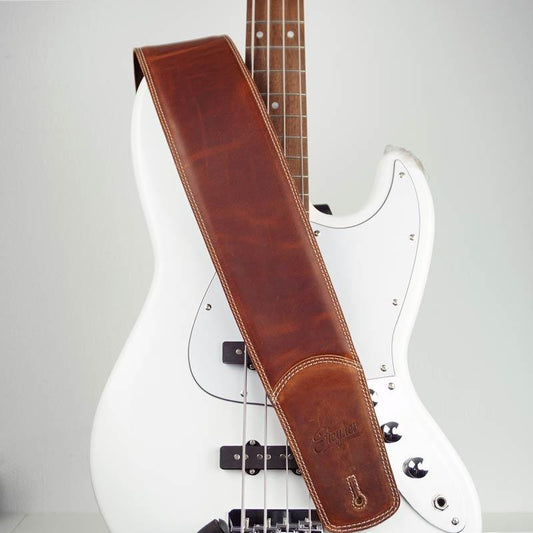
Leather Bass Strap with Padding | 9 cm | Grainy Chestnut Deluxe
Regular price 162 EURRegular price180 EURSale price 162 EUR -
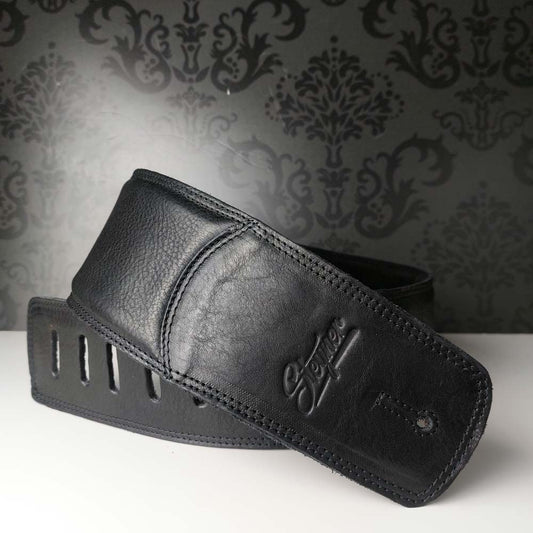
Leather Bass Strap with Padding | 9 cm | Grainy Black Deluxe
Regular price 162 EURRegular price180 EURSale price 162 EUR -
Leather Bass Strap Nubuck Deluxe Black
Regular price 162 EURRegular price180 EURSale price 162 EURSold out -
Leather Bass Strap with Padding | 9 cm | Grainy Coffee Deluxe
Regular price 162 EURRegular price180 EURSale price 162 EUR -
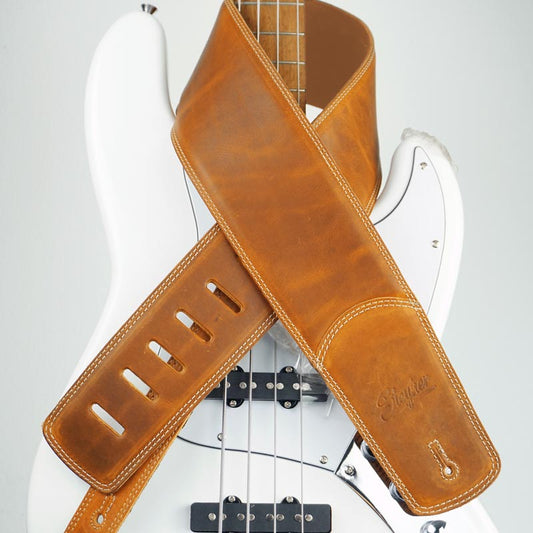
Leather Bass Strap with Padding | 9 cm | Grainy Chestnut Deluxe
Regular price 162 EURRegular price180 EURSale price 162 EURSold out




What Are the Benefits of a Leather Bass Strap?
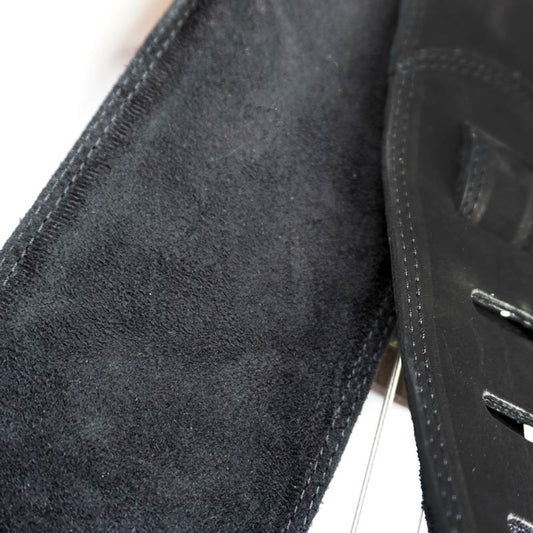
A leather bass strap combines excellent playing comfort with a timeless look. That's why leather has been one of the most popular materials among bass players for decades. High-quality leather feels comfortable, is highly durable, and gives your instrument a classic appearance that develops even more character over time. In addition to its appearance, functionality also plays an important role. Steyner leather bass straps combine premium cowhide leather with integrated memory foam padding and a non-slip suede backing. This combination provides outstanding comfort, balanced weight distribution, and a secure fit on the shoulder. Players of heavier basses especially appreciate the stable feel and reliable positioning of the strap. Thanks to their high-quality craftsmanship, leather bass straps are reliable companions for many years. They combine comfort, durability, and premium aesthetics in a way that many bassists value.
What Are the Benefits of a Padded Leather Bass Strap?
A padded leather bass strap can noticeably improve playing comfort. Especially with heavier basses, the integrated padding helps distribute the instrument's weight more evenly across the shoulder. This reduces pressure points and makes longer rehearsals, studio sessions, and live performances much more comfortable. Steyner leather bass straps feature integrated memory foam padding positioned between premium cowhide leather and a non-slip suede backing. This construction combines exceptional comfort with durability and high-quality craftsmanship. Bassists who spend long periods playing while standing particularly benefit from a padded bass strap. The additional padding supports even weight distribution and helps reduce strain on the shoulder and neck.
Why Is a Non-Slip Suede Backing Important on a Bass Strap?
The backing side of a bass strap has a significant impact on playing comfort and stability. Smooth materials can slide more easily on certain types of clothing, causing the position of the instrument to shift while playing. For this reason, many bassists prefer a suede backing. The material provides additional grip on the shoulder and helps keep the instrument in the desired playing position. This added grip can be particularly beneficial with heavy or neck-heavy instruments. A non-slip backing can help reduce so-called "neck dive" – the tendency of a guitar or bass neck to drop downward while playing. Players who value comfort, control, and a secure fit often choose a bass strap with a suede backing. Learn more about why straps slip and how strap materials affect grip in our guide:
How Wide Should a Leather Bass Strap Be?
The width of a bass strap has a major impact on playing comfort. As a general rule, the wider the strap, the more effectively the instrument's weight can be distributed across the shoulder. This is why many musicians find wider straps significantly more comfortable, especially when playing heavier basses. However, wider is not always better. An excessively wide bass strap can restrict freedom of movement or feel uncomfortable around the neck and shoulder area. The ideal width depends on factors such as body size, shoulder width, and the weight of the instrument. For many bassists, a width of approximately 8 to 10 cm (3.1 to 3.9 inches) has proven particularly comfortable. At 9 cm (3.5 inches) wide, Steyner leather bass straps fall right within this range. The generous contact area helps distribute weight effectively across the shoulder without feeling bulky. In combination with our integrated memory foam padding and non-slip suede backing, this creates a comfortable and secure playing experience, even during longer rehearsals, studio sessions, and live performances.